01
Routine clinical data
Our LinAge2 algorithm works with blood, urine, and standardised biomarkers that clinics already collect and trust.
Transform standard clinical lab data into transparent, actionable roadmaps for patient health. Beyond "Black Box" DNA tests, map system-level aging patterns to identify intervention
Scientifically validated biomarkers reveal how the body is aging and what can be improved
We turn routine lab data into a structured measure of biological aging that clinicians can interpret and treat.
Our LinAge2 algorithm works with blood, urine, and standardised biomarkers that clinics already collect and trust.
The clock looks at interactions across inflammation, metabolism, kidney function, liver stress, and other physiological domains instead of treating biomarkers in isolation.
The output is not just a number. Clinicians see biological age, confidence intervals, and the principal components driving the signal.
Routine inputs
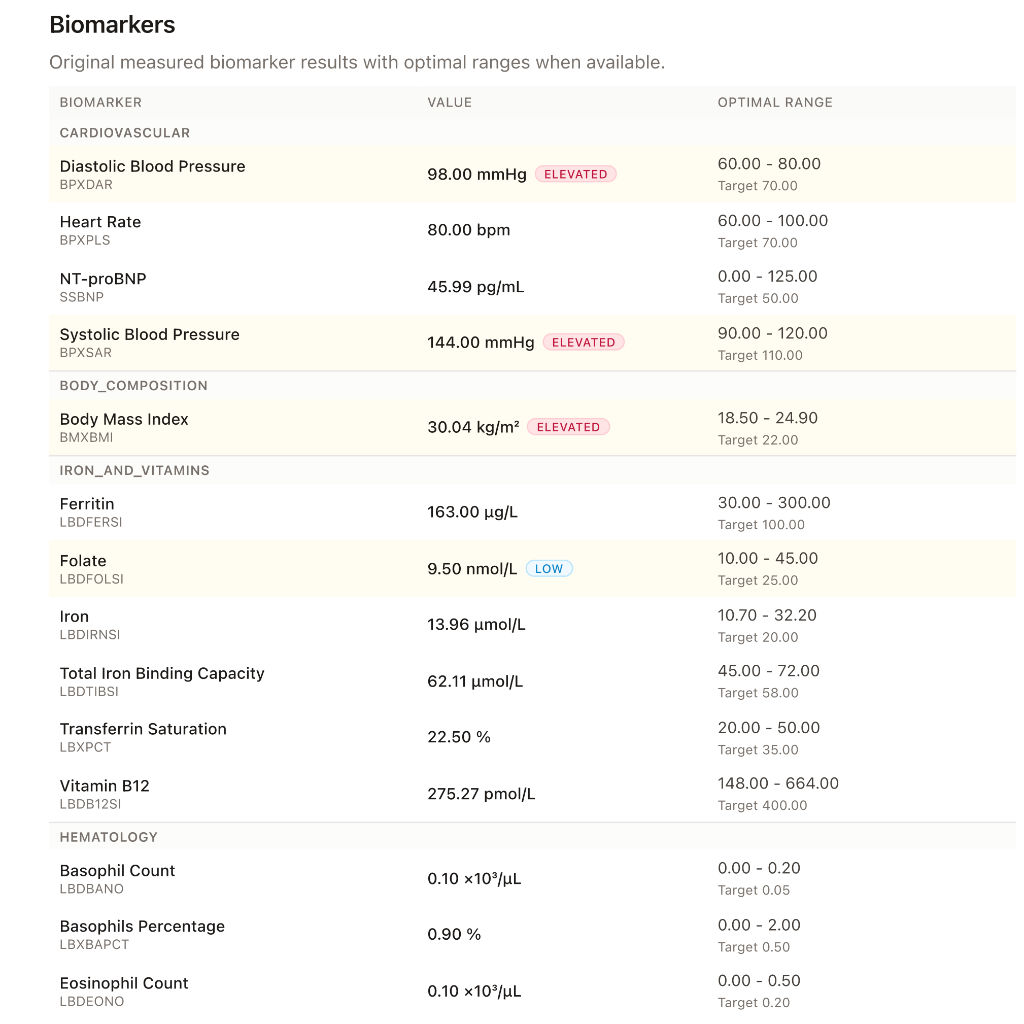
Start with biomarker panels teams already know how to collect.
BeyondClock begins with routine blood, urine, and chemistry inputs, making the workflow easier to operationalize than specialized molecular sampling.
Systemic modelling
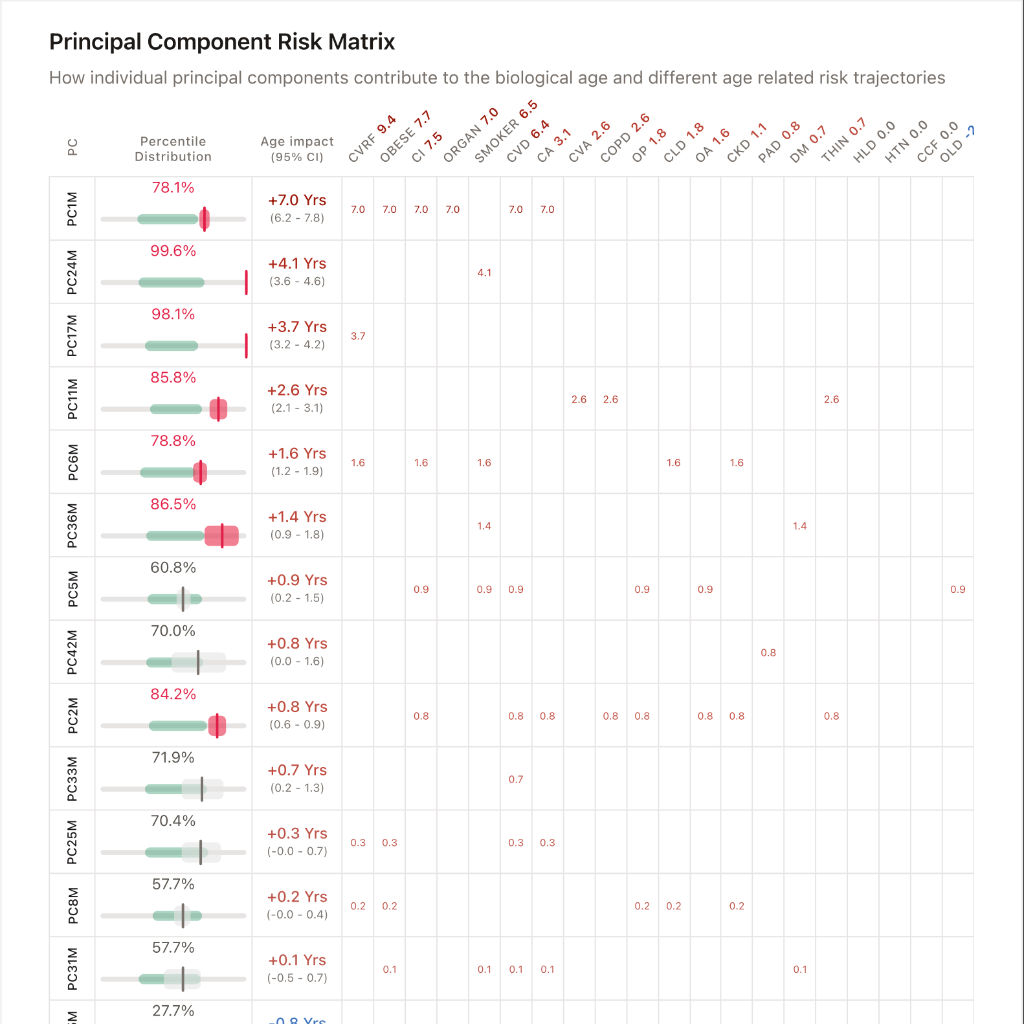
Model how physiological systems change together.
The model captures interactions across metabolic, inflammatory, renal, hepatic, and broader physiological domains instead of treating biomarkers as isolated signals.
Explainable output
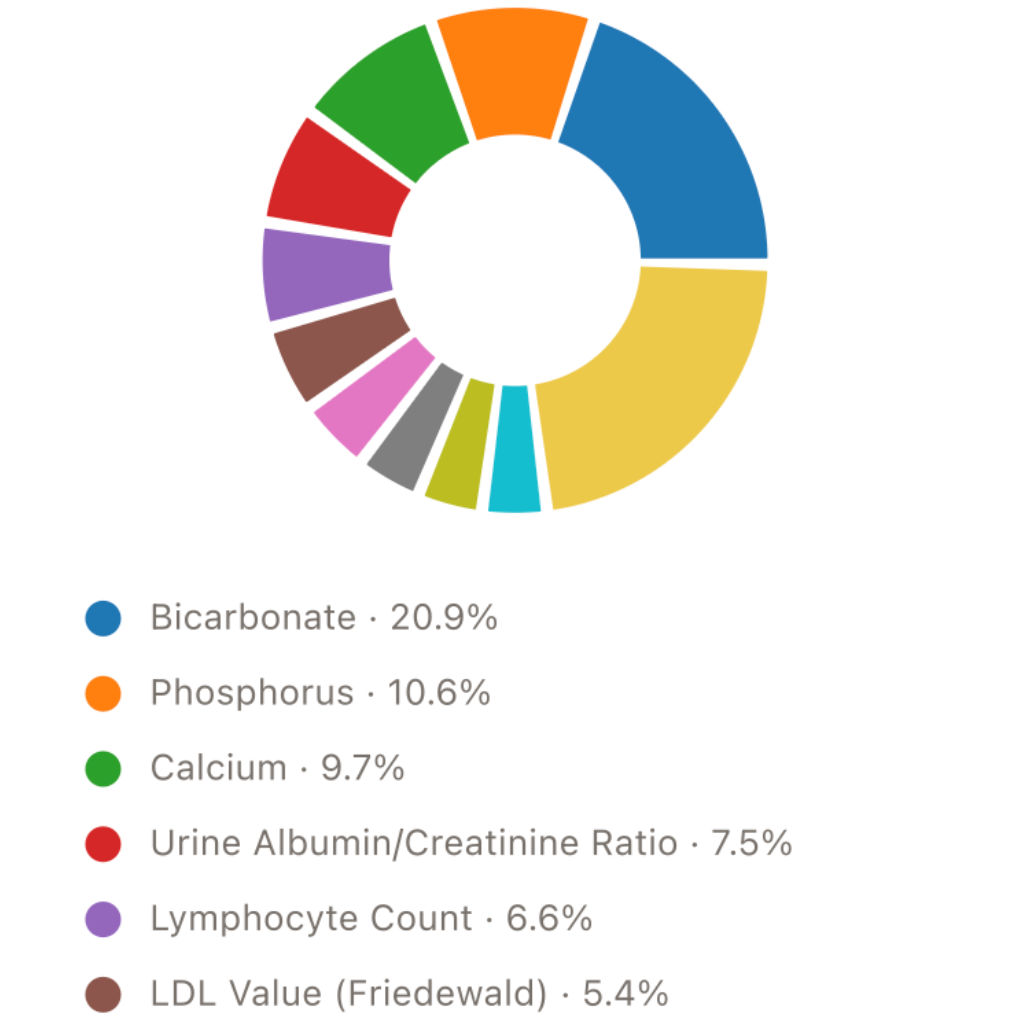
Show what is driving the signal, not just the final score.
Principal components expose the biological domains behind the readout so clinicians and operators can link the result to concrete physiological change.
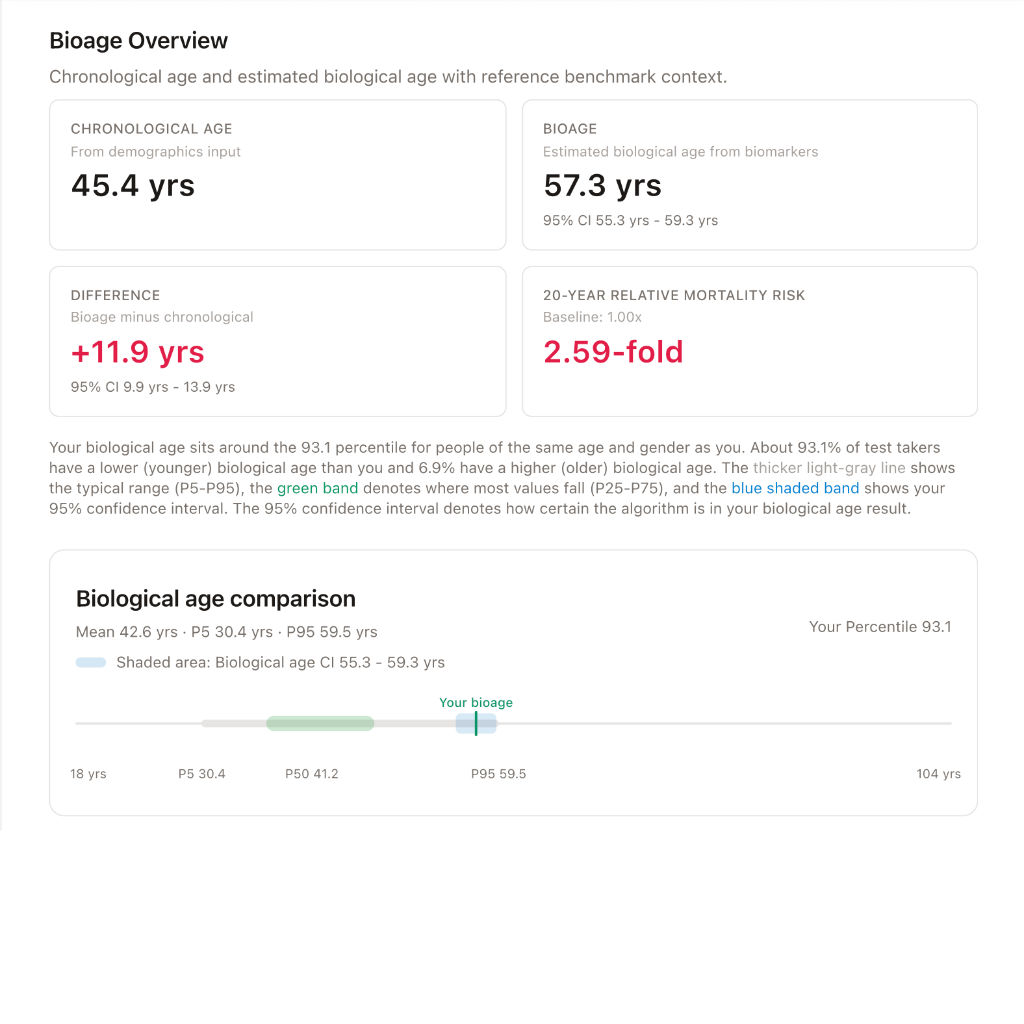
Biological age
Turn biomarker patterns into a clear biological age readout.
The biological age view brings the measurement into a format teams can understand quickly, with a clear comparison against chronological age and cohort context.
Applicable use cases for different needs
Use objective aging signals before and after an intervention to understand whether a program is moving people toward a healthier baseline.
Screen for biological rather than chronological aging patterns when identifying who is most relevant for an intervention or cohort.
Track whether participants are trending toward frailty, metabolic decline, or healthier recovery capacity as programs evolve.
Give teams a biological scoreboard for diet, supplements, health programs, or therapeutics instead of relying only on single-marker snapshots.
Turn longevity measurement into an operational capability for population health, preventive care, corporate wellness, or member engagement.
LinAge2 is supported by a peer-reviewed paper, “LinAge2: providing actionable insights and benchmarking with epigenetic clocks”, published in npj Aging. The work tests the model against other aging-clock approaches and focuses on the things that matter operationally: mortality prediction, benchmarking, and interpretability.
Expertise across aging biology, longevity medicine, AI-driven precision health, and metabolic regulation.
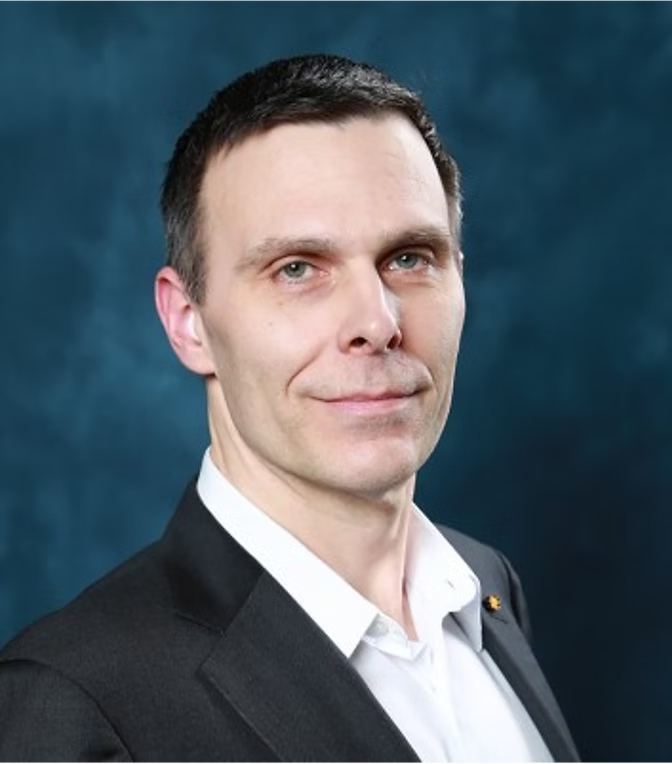
Dr. Matt Kaeberlein is the Chief Executive Officer at Optispan, Inc. and host of the Optispan Podcast. He is also an Affiliate Professor of Oral Health Sciences at the University of Washington and a Co-Founder of both the Dog Aging Project and Dog Aging Institute. Dr. Kaeberlein is deeply committed to advancing human and animal health by developing new technologies for health optimization and targeting the biological processes underlying aging and age-related disease.
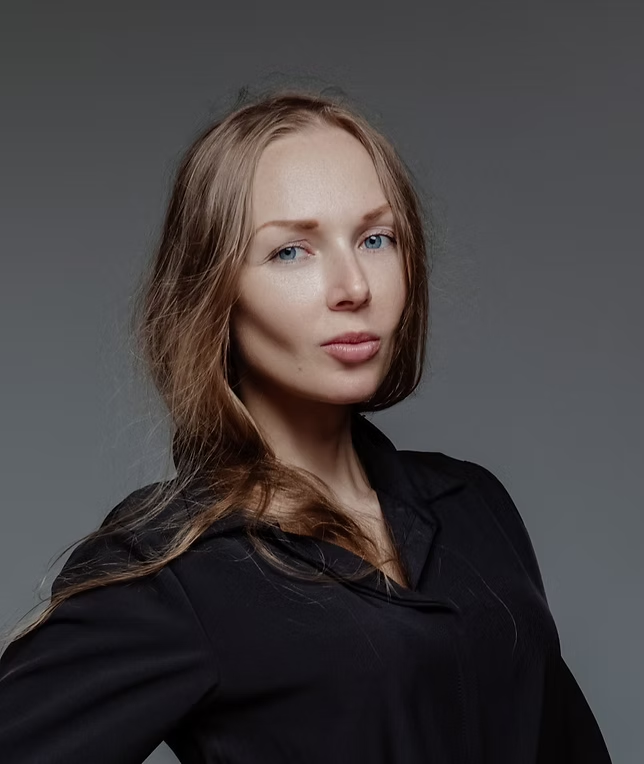
Dr. Evelyne Bischof is a longevity and internal medicine expert with over a decade of clinical experience across Switzerland, the U.S., and China. A professor at Shanghai University of Medicine and Tel Aviv University, her research focuses on precision medicine, AI, and biogerontology. She has authored over 80 peer-reviewed papers and speaks globally on medical innovation.
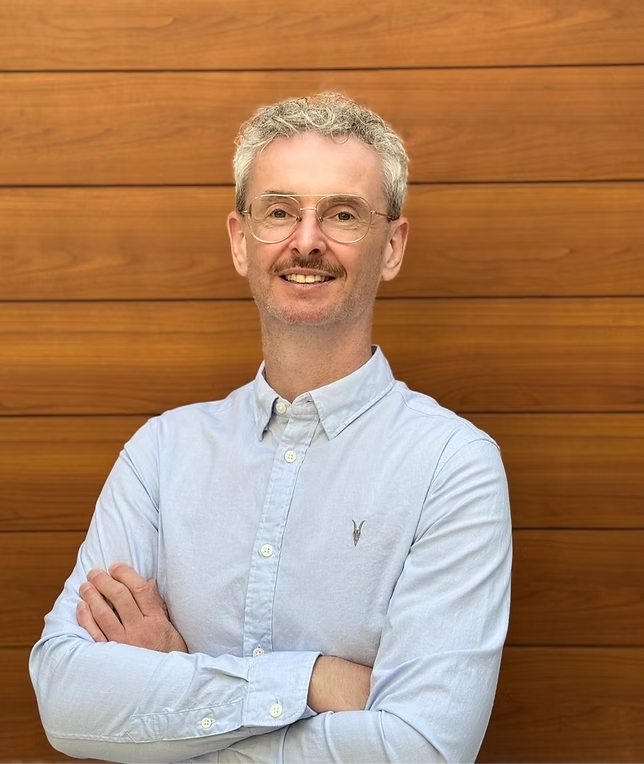
Dr. Peter Mullen is a renowned expert in the biology of aging, focusing on how metabolism influences aging and age-related diseases. He leads research at the Leonard Davis School of Gerontology and Keck School of Medicine, USC. With nearly 30 publications in prestigious journals, he has received numerous awards and serves on key metabolic health journal editorial boards.
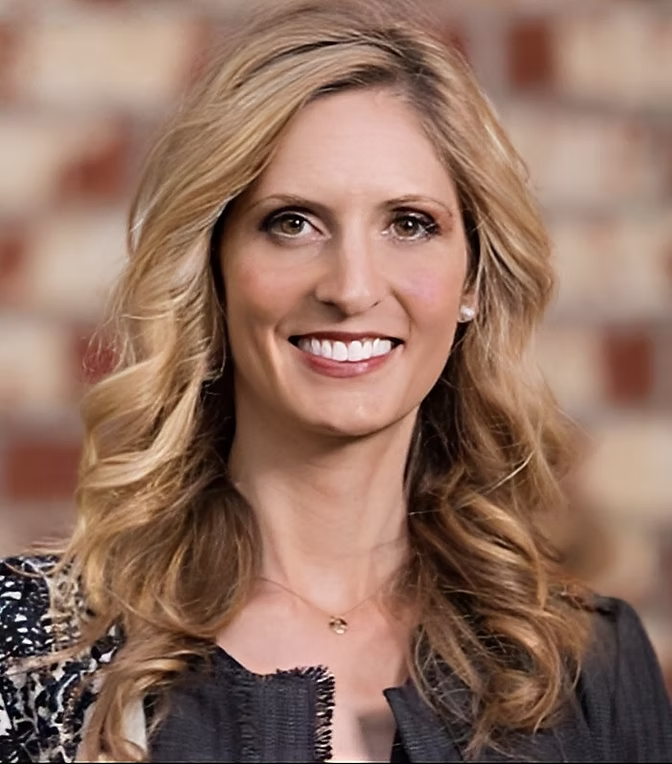
Rebekah Granger Ellis is an expert in neuroscience and systems change, focusing on leadership, behavioral change, and neurowellness. With 20 years of experience, she merges neuroscience with organizational strategies to enhance executive functioning and global team performance. Rebekah has led transformational programs for C-suites, governments, and policymakers worldwide, fostering resilience and future-ready systems.
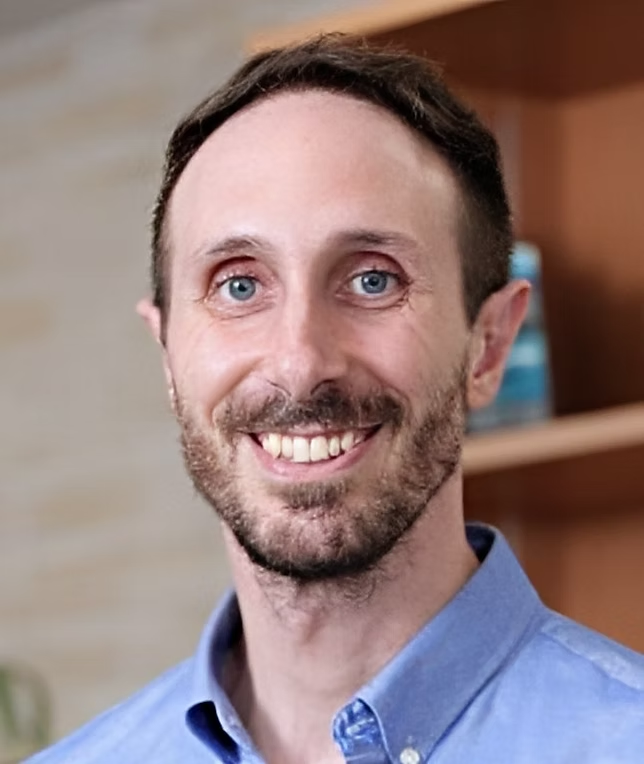
Dr. Vincenzo Sorrentino is an Assistant Professor at the Yong Loo Lin School of Medicine, National University of Singapore, specializing in aging, mitochondrial biology, and neuromuscular degeneration. His research focuses on NAD+ metabolism and mitochondrial function in Alzheimer's disease and muscle aging. Vincenzo has led groundbreaking studies, including the discovery of trigonelline as a novel NAD+ precursor.
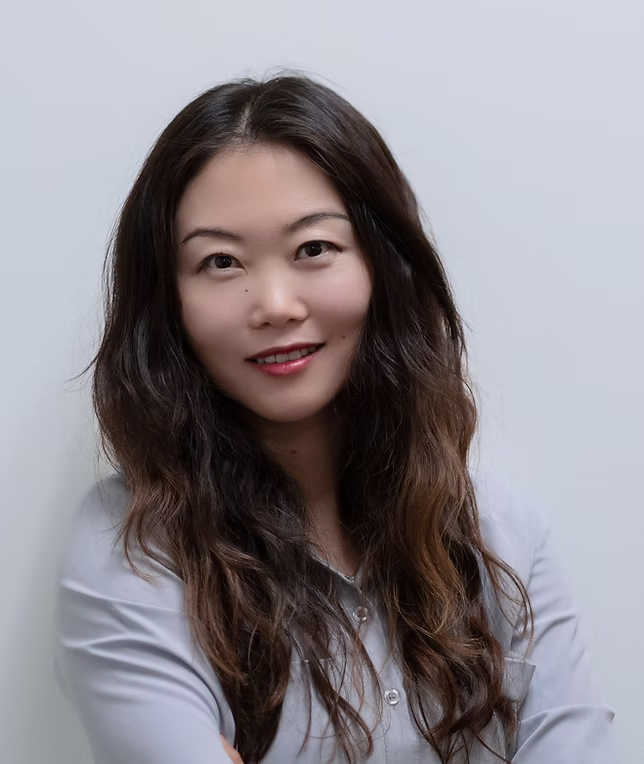
Dr. Chong He holds a PhD in Biochemistry from Peking University and has over 15 years of experience in drug discovery and development, focusing on aging-related diseases. Currently, as director of a biopharma drug discovery team, Dr. He leads efforts to translate cutting-edge research into innovative therapeutics targeting the molecular mechanisms of aging.
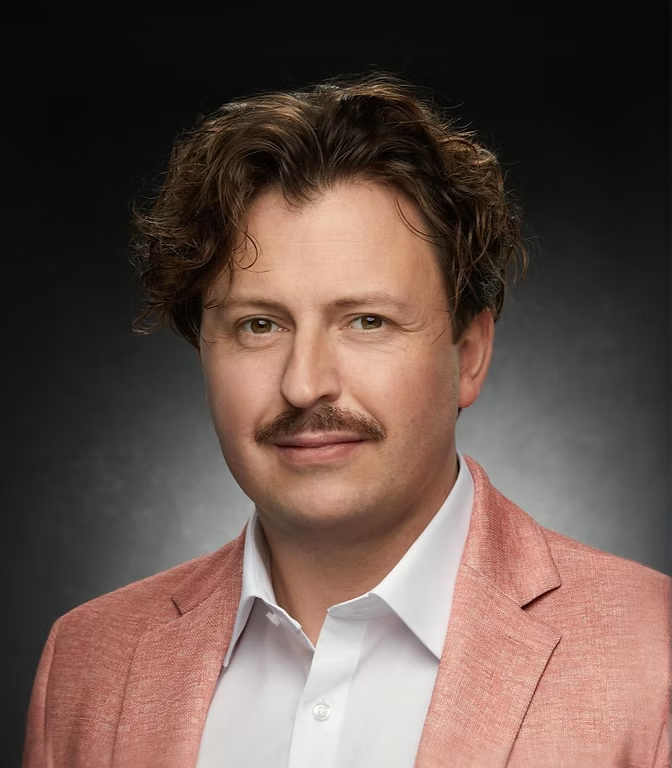
Dr. Max Unfried holds a position as a Research Fellow with the Centre for Healthy Longevity at the National University of Singapore where he has focused his research on the systems biology of aging, exploring biomarkers of cellular health and rejuvenation. He also serves as Scientific Director of The Thalion Initiative, a research-driven effort addressing fundamental questions of aging biology. Operating at the confluence of Artificial Intelligence, Complex Systems, and Molecular Biology, Max has used his expertise to bridge the world between academic science and the business of science, and serves as a trusted scientific advisor to startups, venture capital firms, and family offices.
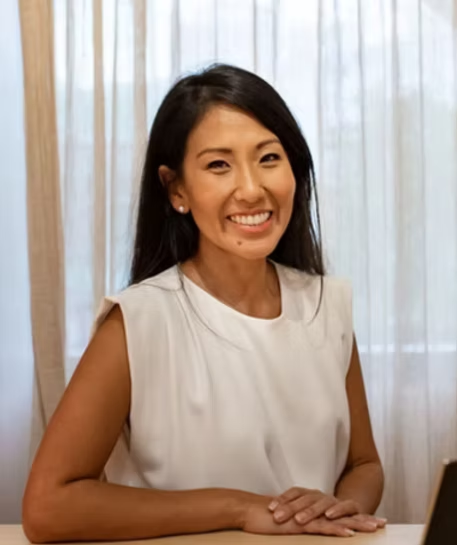
Dr. Olivia Ly Lesslar is a medical doctor specializing in longevity medicine, psychoneuroimmunology, and complex multisystem conditions. She collaborates with leading international clinics, curating personalized programs that integrate neuroplasticity techniques, advanced therapies, and precision nutrition. She is a faculty lecturer at the Geneva College of Longevity Science, an Adjunct Senior Lecturer at Griffith University's National Centre for Neuroimmunology and Emerging Diseases, and the Research Lead at the British College for Functional Medicine. Recognized as an industry leader, she was featured in NYC Journal's 50 Under 50 list and serves as Science Director at Sens.ai, Chief Medical Officer at Atlus, and a medical advisor to multiple longevity-focused organizations.
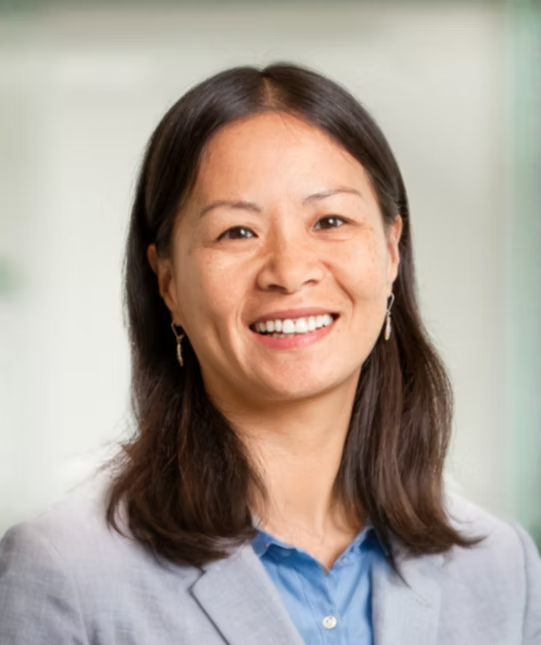
Dr. Xianmin Zeng is a renowned expert in stem cell biology and neurobiology. A biotech entrepreneur who authored over 100 peer-reviewed publications and several issued patents, Dr. Zeng is the Founder and Chief Executive Officer of RxCell Inc, a biotechnology company developing cell-based therapies for aging-related degenerative diseases and healthy longevity. She was Professor at the Buck Institute in California in 2005-2018 where she built and directed the Institute's Stem Cell Program.
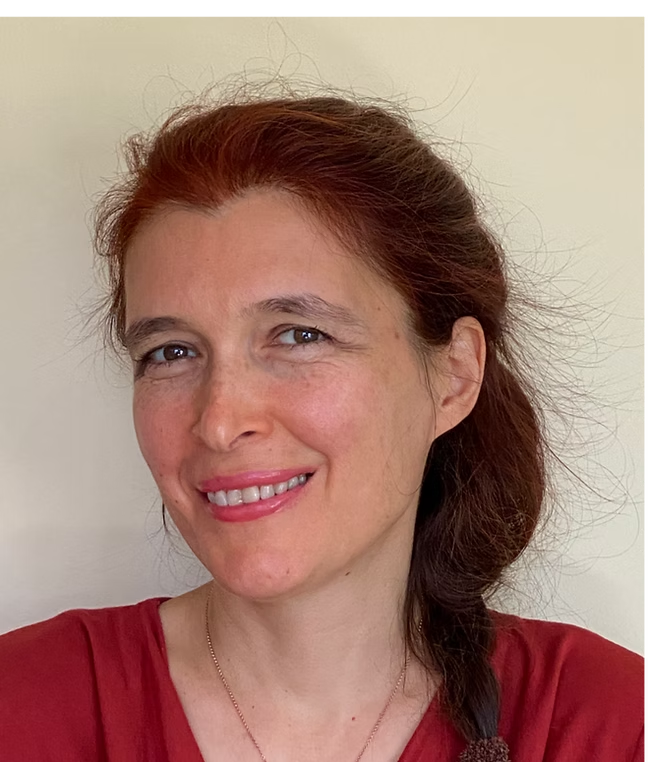
Dr. Vera Gorbunova is an endowed Professor of Biology at the University of Rochester and co-director of the Rochester Aging Research Center. A pioneer in comparative biology for aging research, she has uncovered key mechanisms linking genome stability, tumor suppression, and longevity across species. Her groundbreaking work has earned prestigious awards, including the Cozzarelli Prize from PNAS, the Prince Hitachi Prize in Comparative Oncology, and awards recognition from the Ellison Medical Foundation, the Glenn Foundation, and the National Institutes of Health. Dr. Gorbunova holds a PhD from the Weizmann Institute of Science and continues to shape the field of longevity science through her research on exceptionally long-lived mammals.
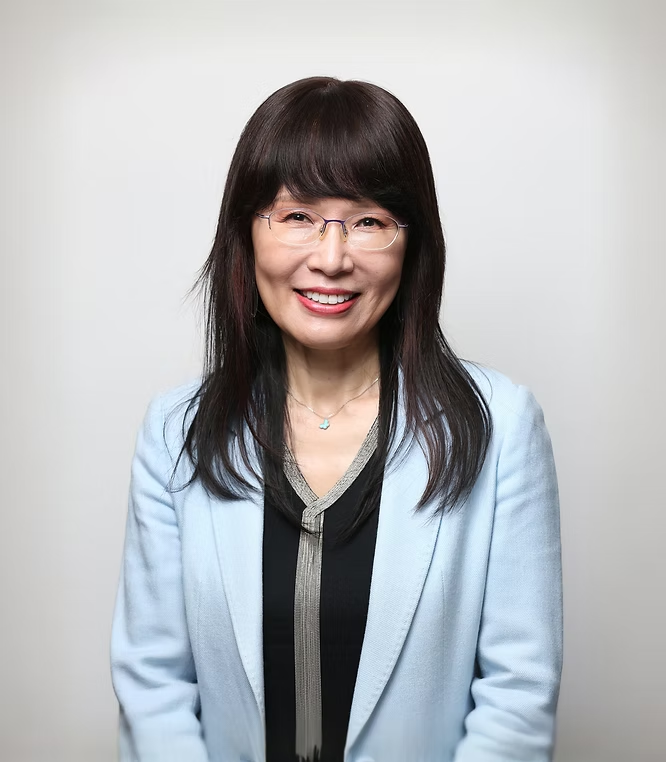
Genomics, Epigenetics & Genetic Resilience in Longevity
Dr. Yousin Suh is the Charles and Marie Robertson Professor of Reproductive Sciences at Columbia University, where she directs research on reproductive aging and the genetic mechanisms underlying longevity and age-related diseases. Her work has identified rare genetic variants linked to extreme longevity, sirtuin mutations associated with heart disease risk, and epigenetic signatures of cellular senescence. Using advanced functional genomics approaches, she investigates genetic resilience to aging across diverse populations. Recognized with the Glenn Award for Research in Biological Mechanisms of Aging, Dr. Suh plays a key role in shaping the field through international symposiums, editorial leadership, and advisory positions in leading research institutions.
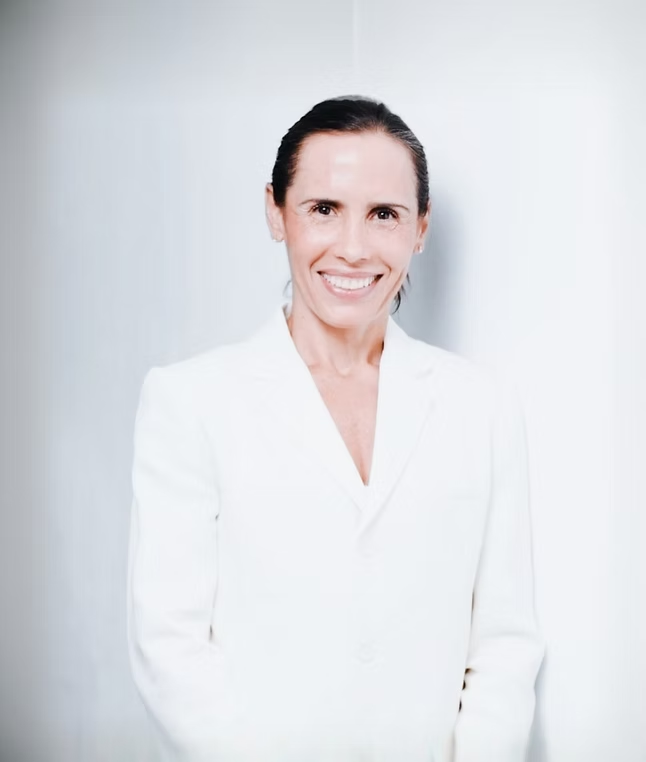
With over 25 years of experience in longevity, regenerative, integrative, functional, and precision medicine, Ana Baroni holds an MD, PhD, and six MSc degrees. She serves as Chief Science Officer at LongevityTech.fund and Chief Medical Officer at HealthyLongevity.clinic, while also contributing as a Medical Advisory Board member for longevity at Purehealth. Ana's expertise includes evaluating R&D projects for the European Commission and judging the National Academy of Medicine's Healthy Longevity Challenge. She offers scientific consultancy and advisory support across biotech sectors and government initiatives in the US, EU, and Middle East.
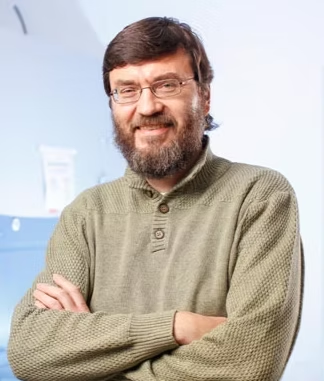
Dr. Andrei Seluanov is a Professor of Biology and Medicine at the University of Rochester, specializing in the science of aging and genome stability. His research explores how some long-lived mammals, like the naked mole rat, naturally resist cancer and age-related decline. By studying DNA repair and tumor suppression across species, Dr. Seluanov uncovers clues to how evolution shapes longevity. His work is widely published in journals such as Nature and Science, and continues to shed light on the biological pathways that influence lifespan.
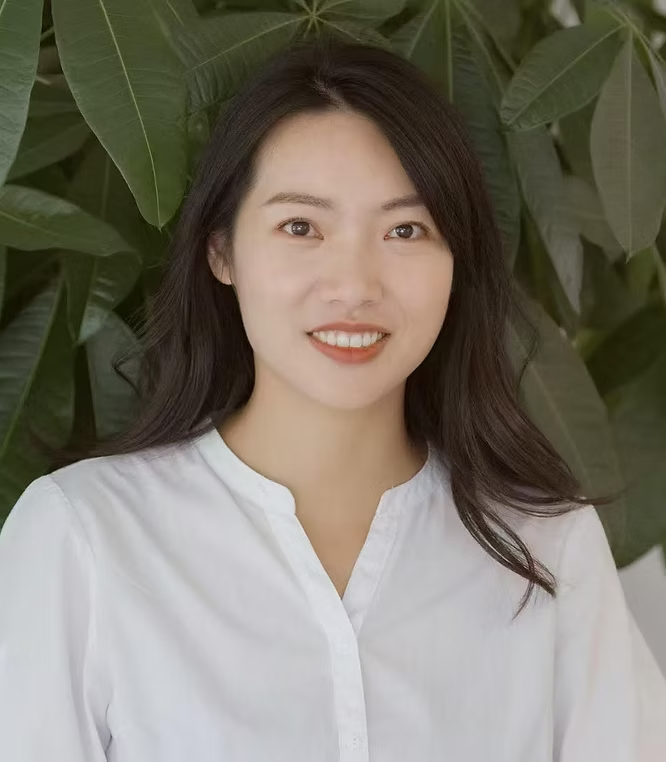
Dr. Zongmin Liu holds a position as a Research Fellow with the Centre for Healthy Longevity at the National University of Singapore. Her research focuses on AI healthy longevity, exploring AI-powered approaches to discover longevity compounds and develop multi-omic aging biomarkers from blood, gut microbiome, and phenotypic data that could reveal aging patterns before they manifest. This work bridges computational drug discovery with experimental validation and clinical trial design, investigating how algorithms might transform aging from an inevitable decline into something we can predict, prevent, and modify.
Subscribe for product news, research updates, and release announcements.